Cast Shadows

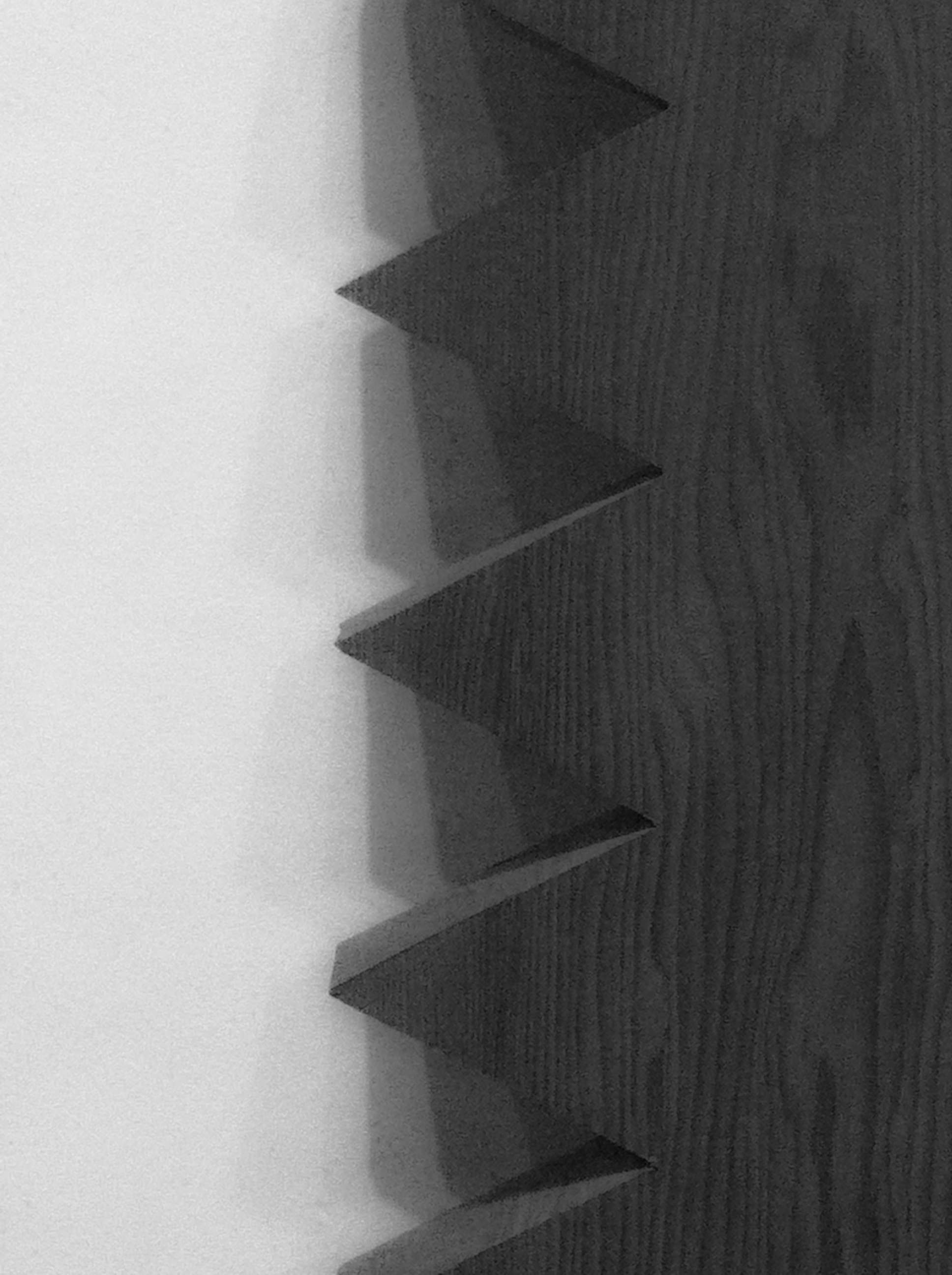
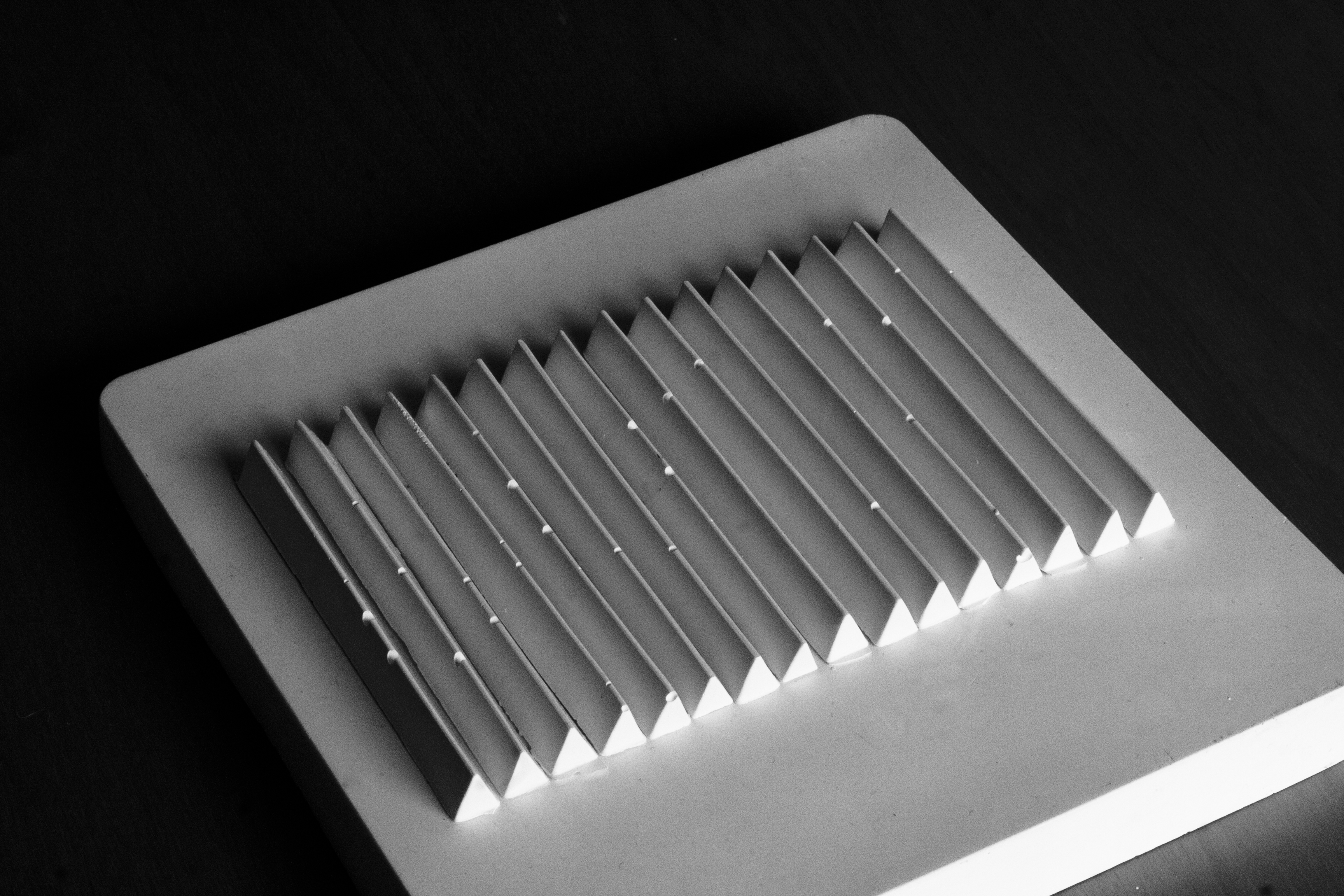
I have been casting plaster into ice cube trays, these long sticks, triangular in section, make for interesting shadows. I made them in two sessions, the first set were marred (or so I thought) by air bubbles interrupting the ridge but having now been looking at them for some time, I like the randomness of the negative spaces. The second set were almost perfect though some have lost their corners. It was only after having photographed them that I saw the similarity to an large work in wood by Susumu Koshimizu 1971 – ‘From Surface to Surface’ that I had seen at the Tate Gallery.  From the label – ‘Koshimizu investigates the substance of wood by sawing planks into different shapes, exposing their surface qualities through different kinds of repetitive cuts. The geometric lines produced by an industrial saw contrast with the slit irregularities resulting from missing chips, slips of the saw, and rough surface of certain edges. Koshimizu was part of Mono Ha (School of Things), which reacted against the embrace of technology and trickery in mid 1960s Japanese art. They sought to understand ‘The world as it is’ by exploring the essential properties of materials, often combining organic and industrial objects and processes’
Having now reread the information label I am pleased to discover that we had in common, not only looking at repeated regular forms but also of their inconsistencies and flaws.  The particular reason for photographing  this work  was for the shadows that were being cast on the white walls by the multiple spotlights above. I can count 5 in this photo but I think there were more. Lighting my castings with several sources is something I must try.
Triangle Sticks

Triangle Sticks 2

Susumu Koshimimzu

The Orange Rose

I was travelling on the underground,  after a couple of stops  some passengers got off and I had an uninterrupted view of the young man, strap-hanging in the next doorway. I noticed his hat first, dark tan coloured felt, folded tight around his head. The unadorned, close-fitting hat set off his smooth-shaven chin and high cheekbones, his fleshy lips just a little blue at the centre. He made me think maybe he was Russian, perhaps a Cossack with his high-collared, double-breasted grey coat.
He was holding a long stemmed rose in his right hand, unwrapped and in full bloom, a bright orange rose.
It seemed odd that the rose was unwrapped, unprotected, surely not bought from a florist, had he picked it from a garden? unlikely as this was late December.
I pondered, whilst waiting for my stop, the young man’s eyes were fixed on the floor at his feet, his only movement a gentle rolling of the stem in his fingers. I wondered who he would be meeting, to whom he would present his vibrant flower, orange is a symbol of amusement, the unconventional and the extrovert.
He had dressed carefully, pressed his trousers, polished his shoes, he looked out of place amongst the majority of youths in their casual mismatched clothes, he must be meeting someone important. He seemed serious, perhaps a little anxious though not excited, eager or optimistic.
We both got off at London Bridge station, swept along by the surge of passengers eager to catch their connecting trains to Kent. I tried to keep him in my sights curious to see to whom the orange rose would be delivered, maybe here at London Bridge Station on the gleaming new concourse.

It began close to me, at first a quiet humming like the start of an overture then building into a full-throated a capella song. The young man, a few steps in front of me on the long escalator riding upward into the cathedral-like concourse, had begun to sing in a deep rich voice, a song of haunting melody, of love and warmth and joy, though in a foreign tongue the tone was unmistakeable. All around people ceased talking, stood still and listened as his voice was caught up in the atrium, echoed and multiplied as if in a great concert hall.
It was a Russian song, sung right from his heart to someone he loved.
As we rose up into the open space, the crowds parted letting the singer walk on towards the centre of the concourse where a tiny figure was waiting, dressed in an elegant fur coat and hat. He knelt at her feet holding out the rose as he finished his song. The woman smiling, took the the rose in one hand and his hand in the other and they embraced. My last sight of them was a glimpse of their backs as they made their way to Platform 2 for the 17.28 to Walmer. All seemed right with the world as the the young man slid a protective, guiding arm around the waist of his adored grandmother.

Creating Shadows

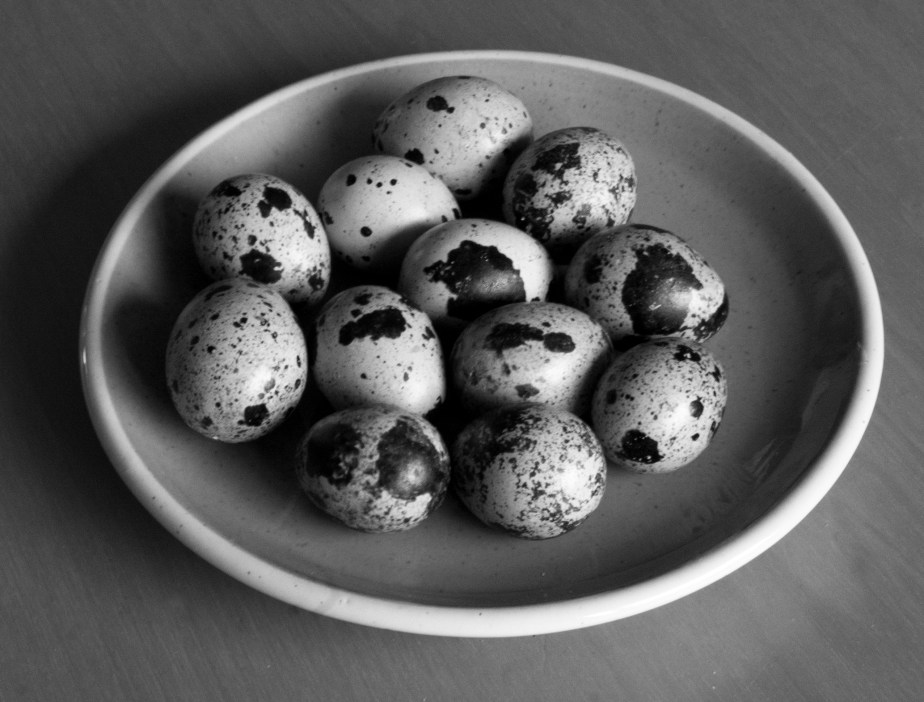
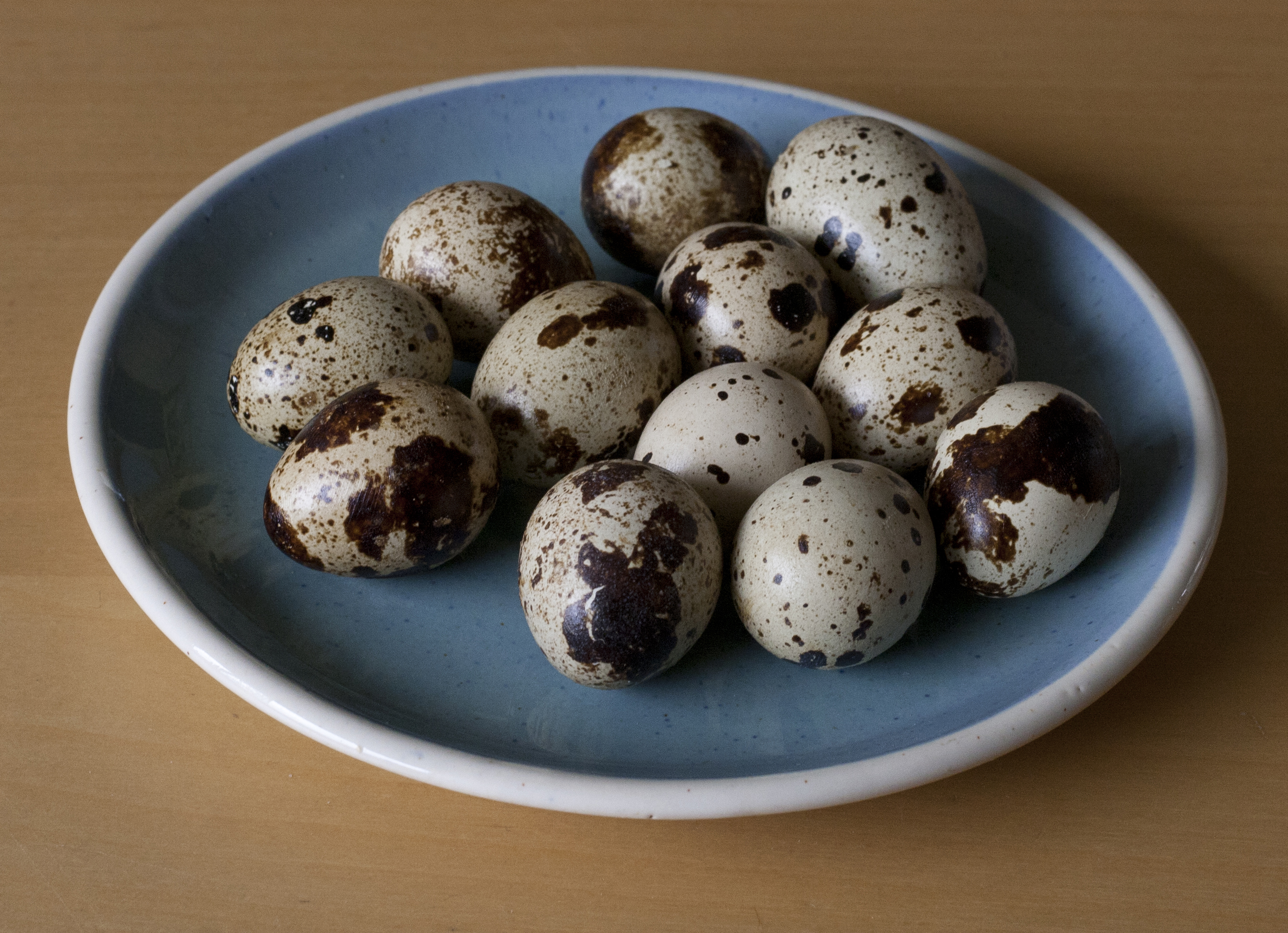
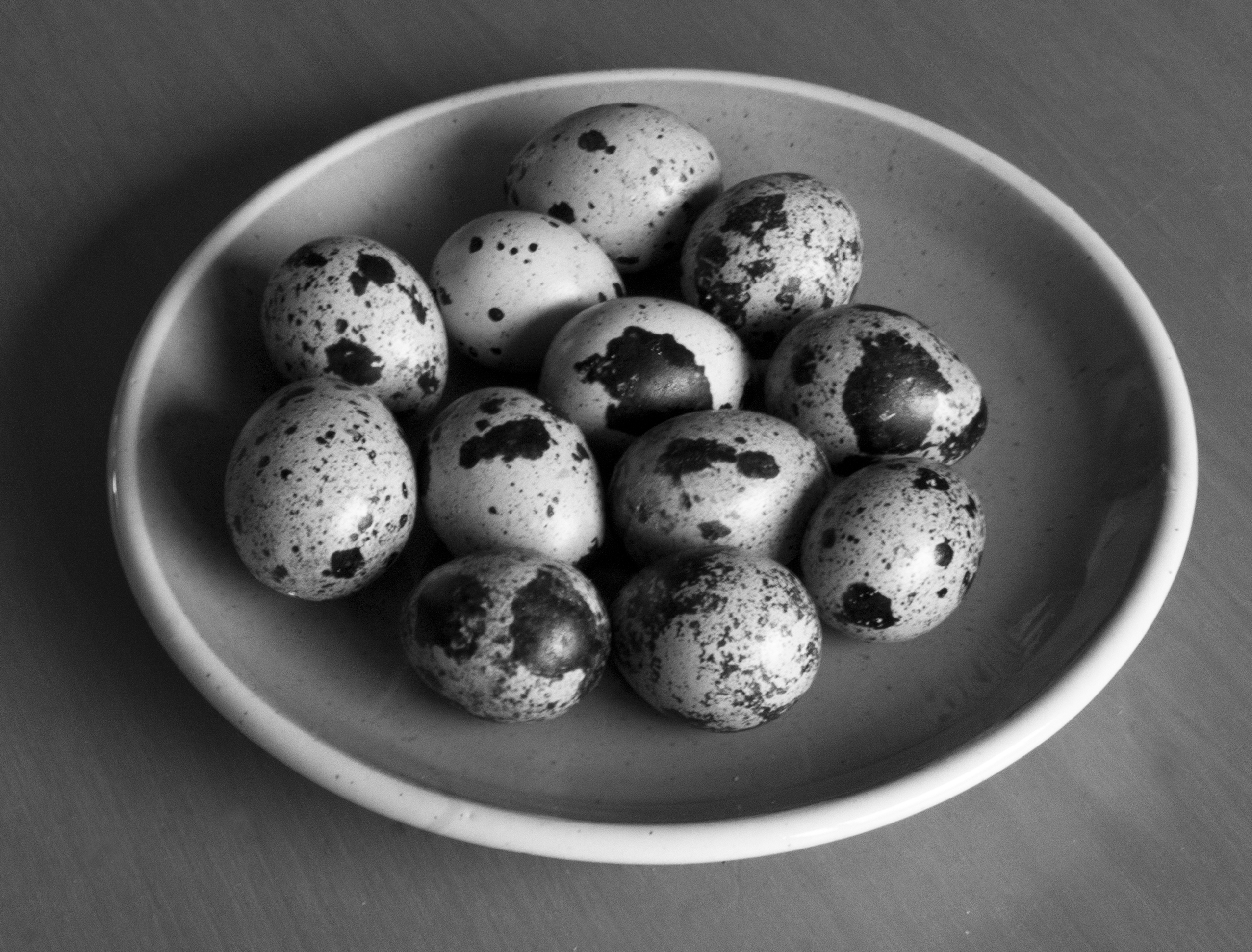
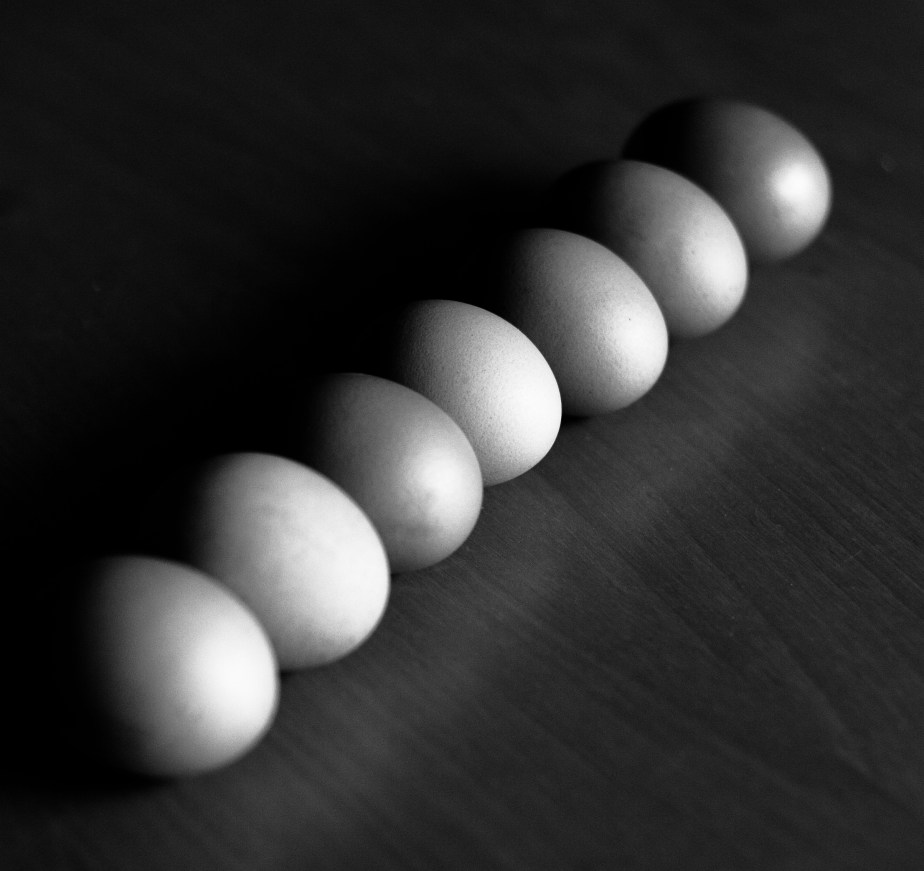
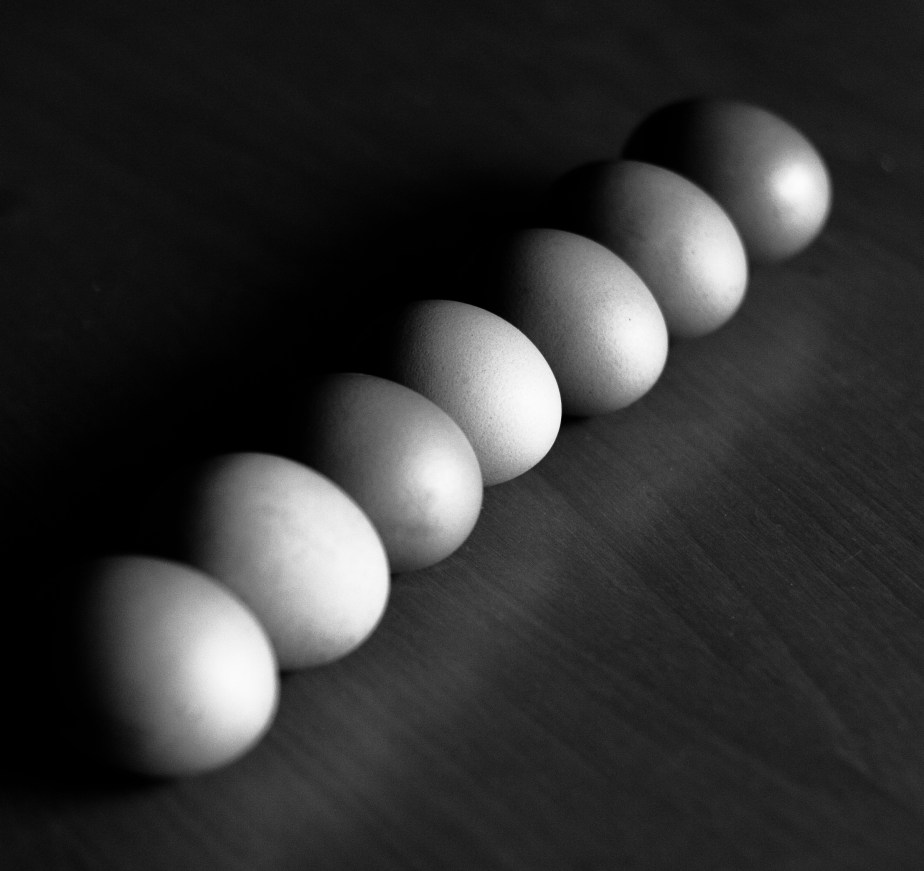
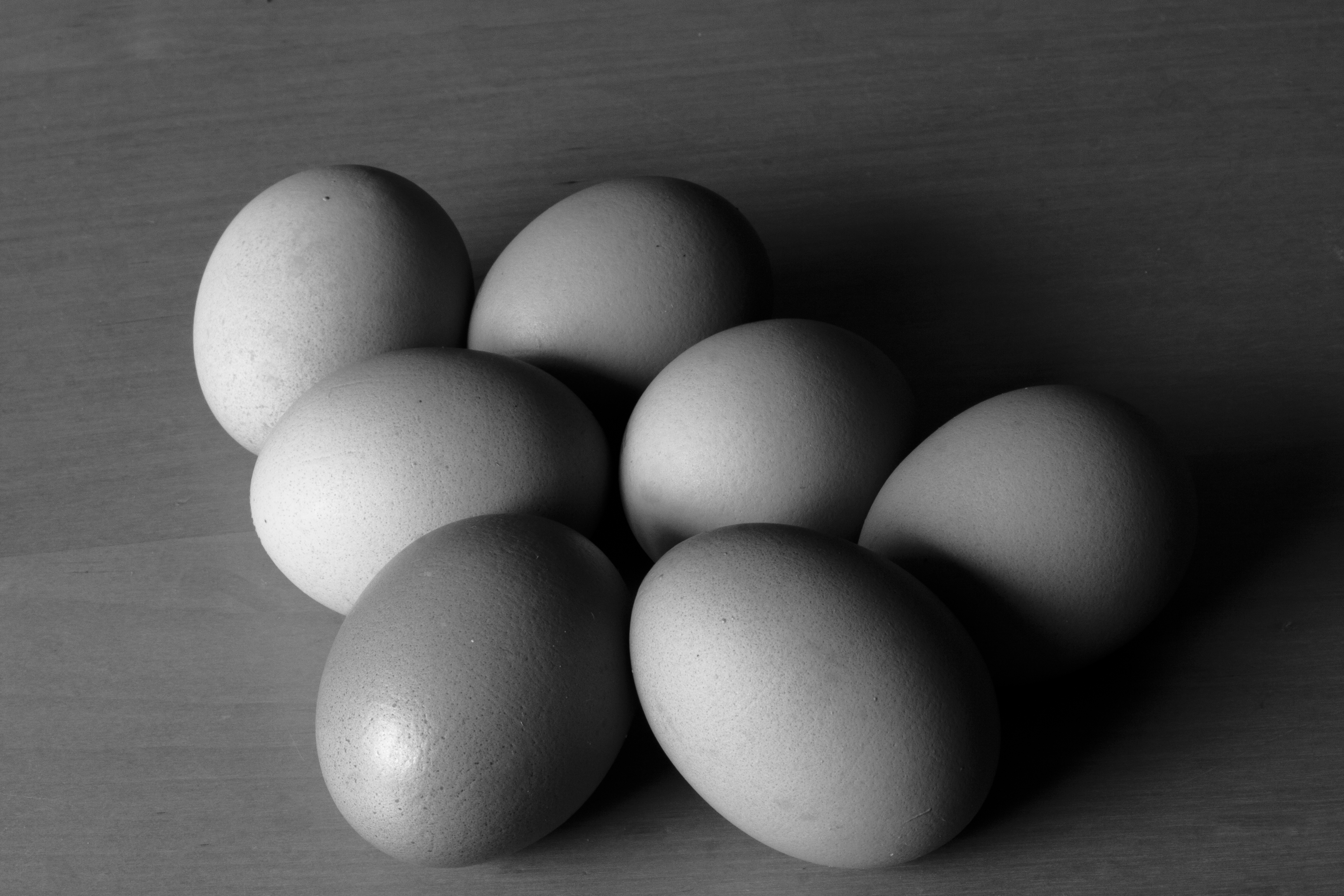
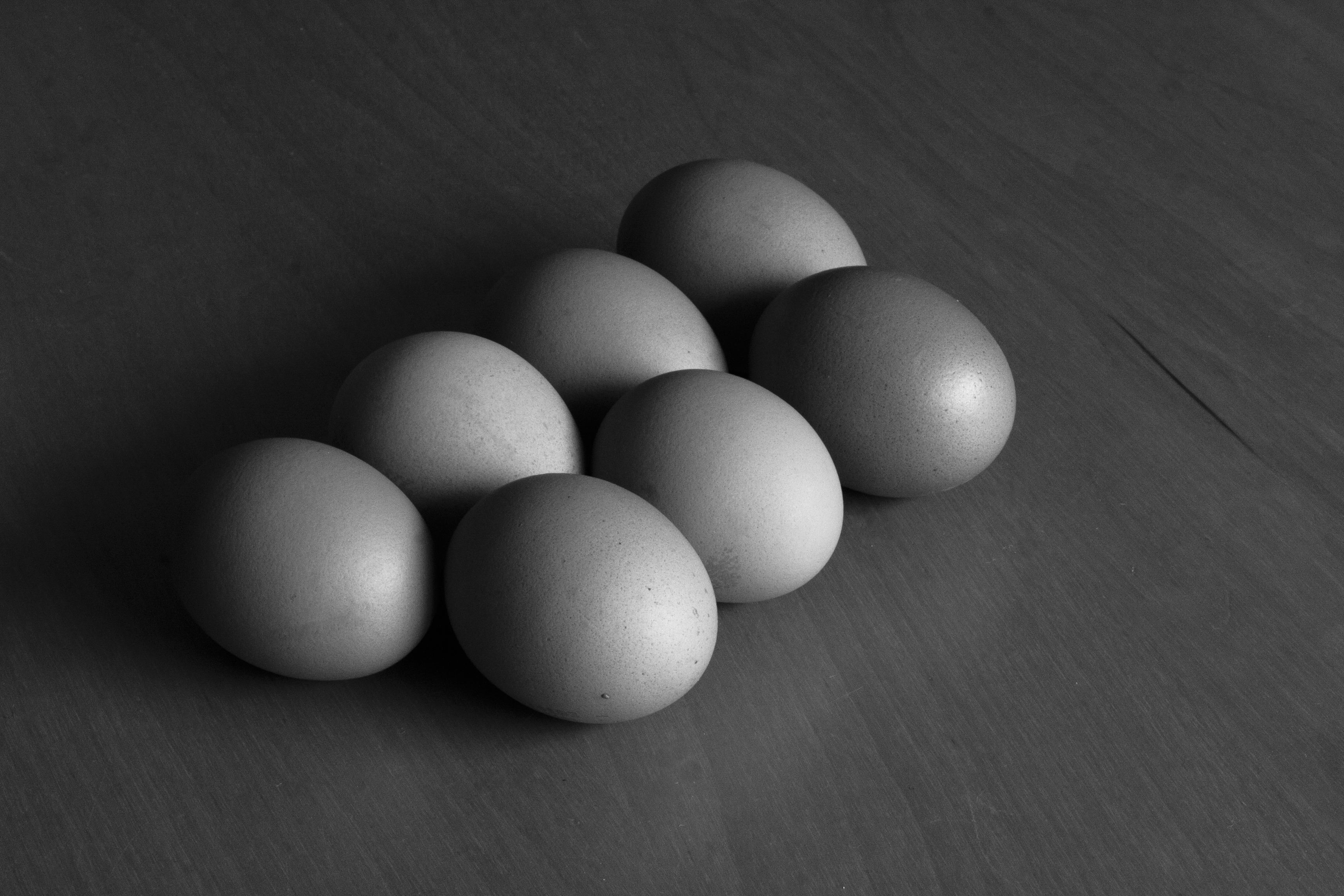
Here are the Quails eggs which I am going to cast in order to set up some new shadow structures. I shall be making a mould of them in Chromium Alginate bought from Maragon, who sell everything one could need for casting in plaster and are the most helpful people. I am surprised at how much the eggs vary in size, shape and in texture, some are quite rough and gritty feeling and a few are very smooth. I have coated them all with petroleum wax to help with the moulding and I shall choose the nicest shaped ones with the smoothest surface. I do like the mottled colouring, they look good on the blue vintage French plate but Ido like to see them in black and white too. Quails Eggs on a blue plate

Qualis eggs to be cast

The Beauty of Glass

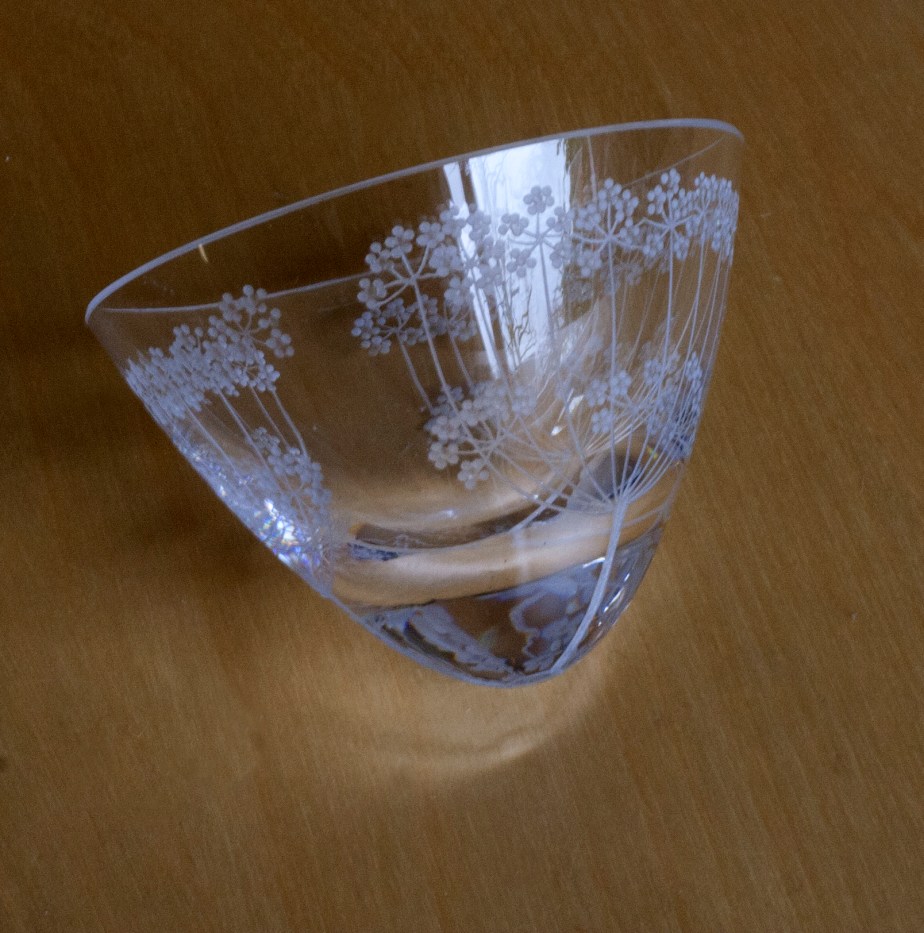
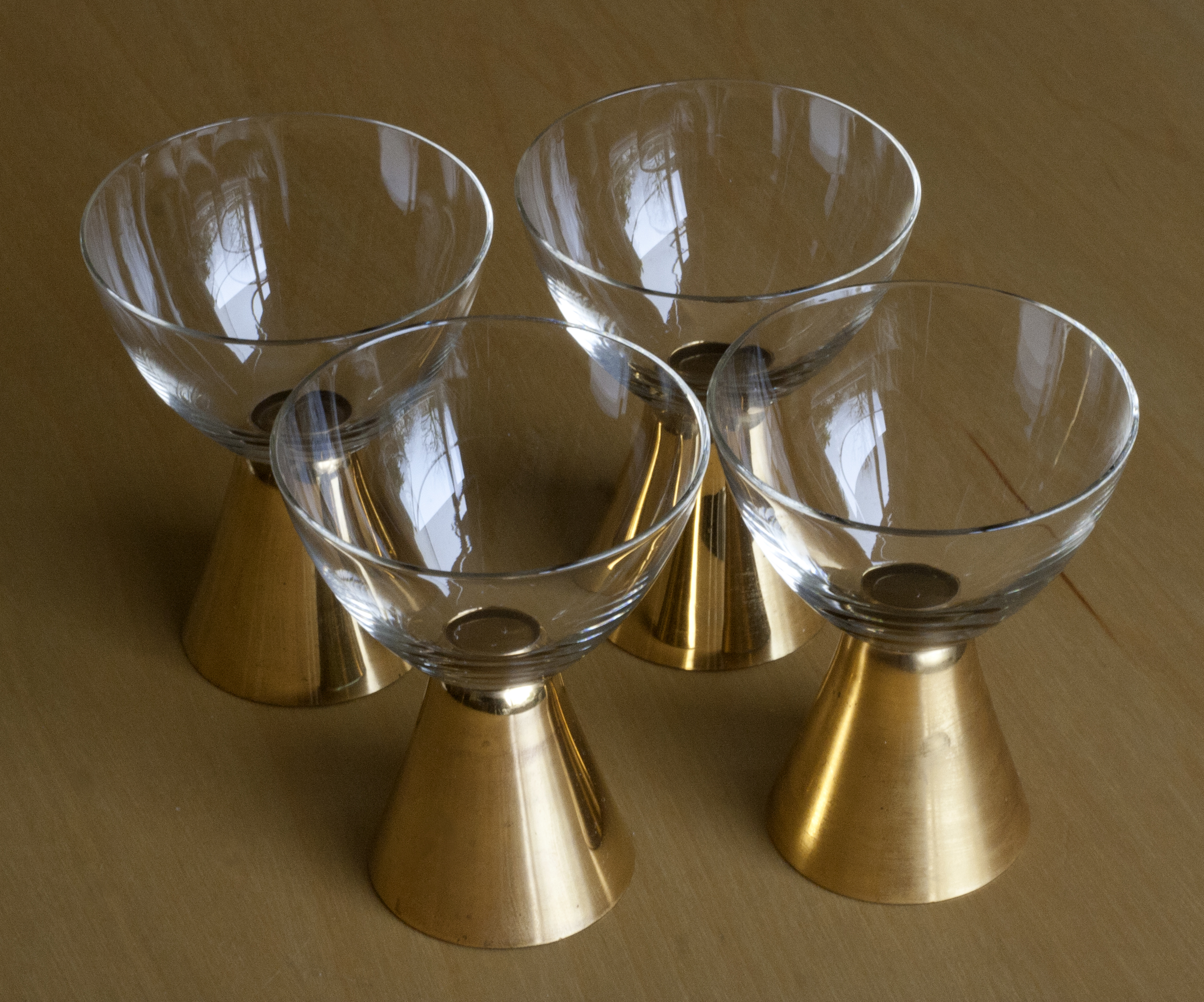
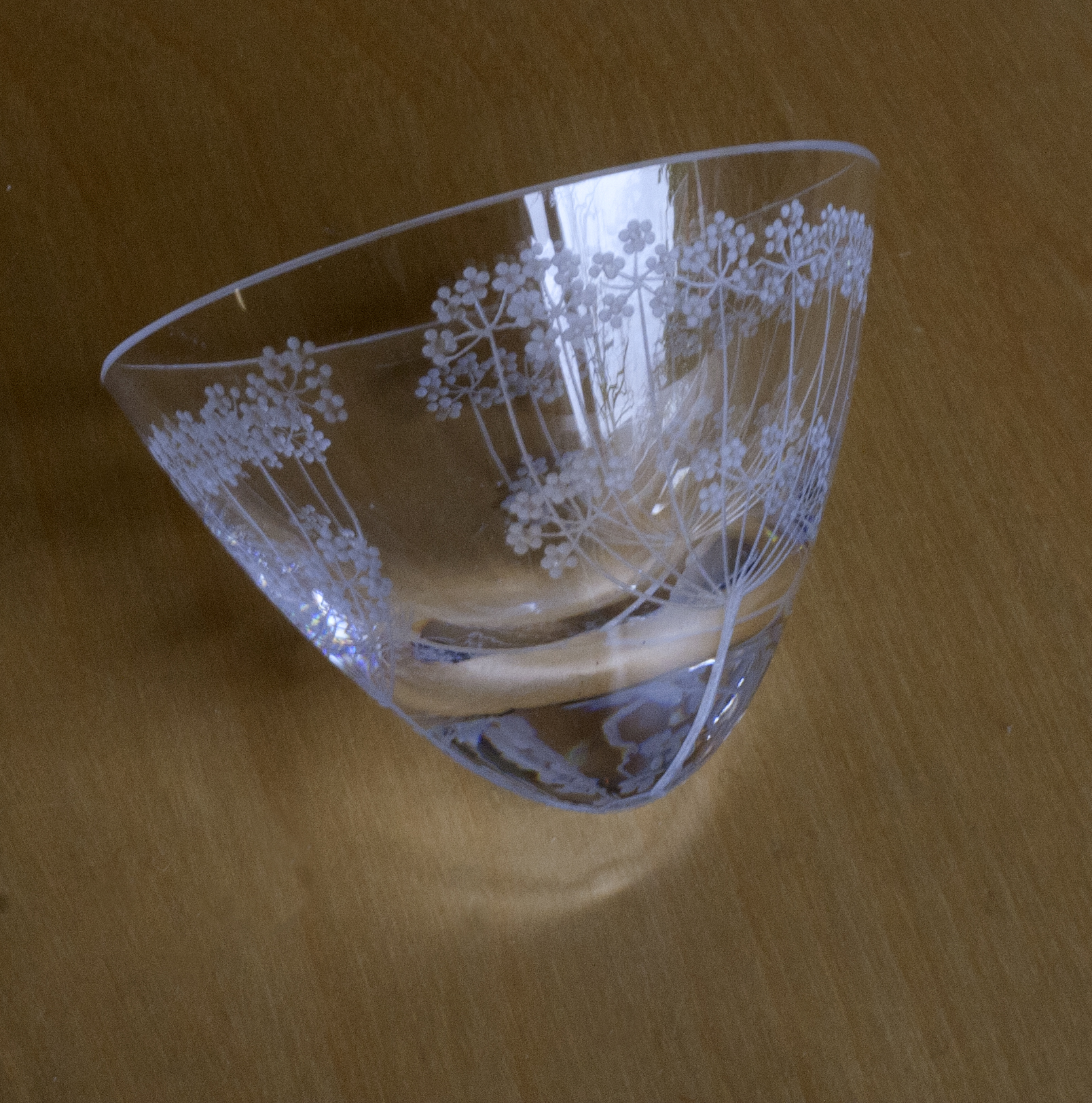
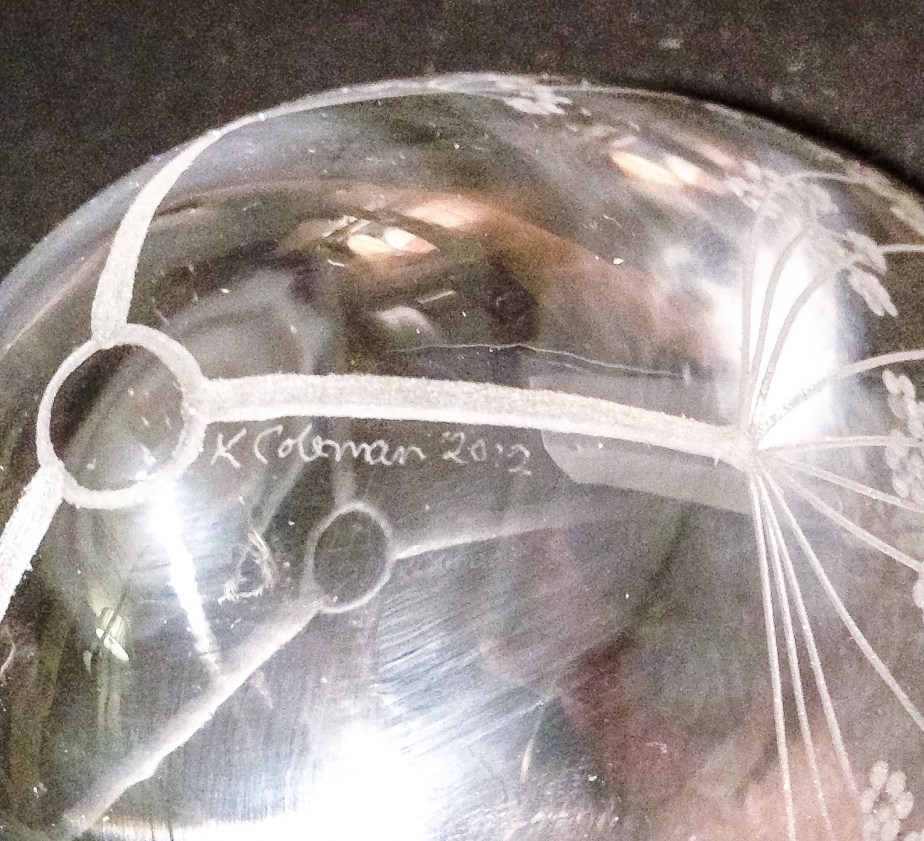
I found these 1950’s/160’s Cocktail glasses in an antique shop in Essex and the Salt at an exhibition of crafts in Clerkenwell, London. The glasses were ridiculously cheap and the salt was not expensive.  The glasses are perfectly weighted, the stems are gilded glass, not a metal cone as I had thought when I first glanced them in a showcase. I have not identified the make yet, let me know if anyone recognises them. The salt it is mouth-blown glass intricately hand-engraved with plant forms by Katherine Coleman.
50/60's Cocktail Glasses Katherine Coleman, Salt

Katherine Coleman signature

Creating Cast Shadows – Eggs

I want to explore creating shadows with eggs so I’m going to try making a mould so that all my eggs are the same shape. Some of these real eggs have subtle textures which I love, I don’t know if I will be able to combine areas of texture from several eggs into my mould, I hope so. I think the moulds will be half-eggs, which will make it easier to create the shadow effects I want.
Eggs in a row7 eggseggs